

Refrigerated food distribution is a complex system that ensures goods are delivered safely from the seller to the customer. Refrigerated goods face the highest risks during transport, which is why it matters greatly what kind of vehicle, refrigeration equipment, and fleet management partner we rely on. The greatest responsibility—and the greatest burden—lies with the carriers.

MHC Mobility supports its clients in this as well within the framework of operational leasing.
Due to speed and flexibility, food companies primarily choose road transport. The method of transport is determined by regulatory requirements based on the product category. For example, when transporting products of animal origin, it is essential to use insulated transport equipment: a cooler box, freezer, or heating-cooling unit.
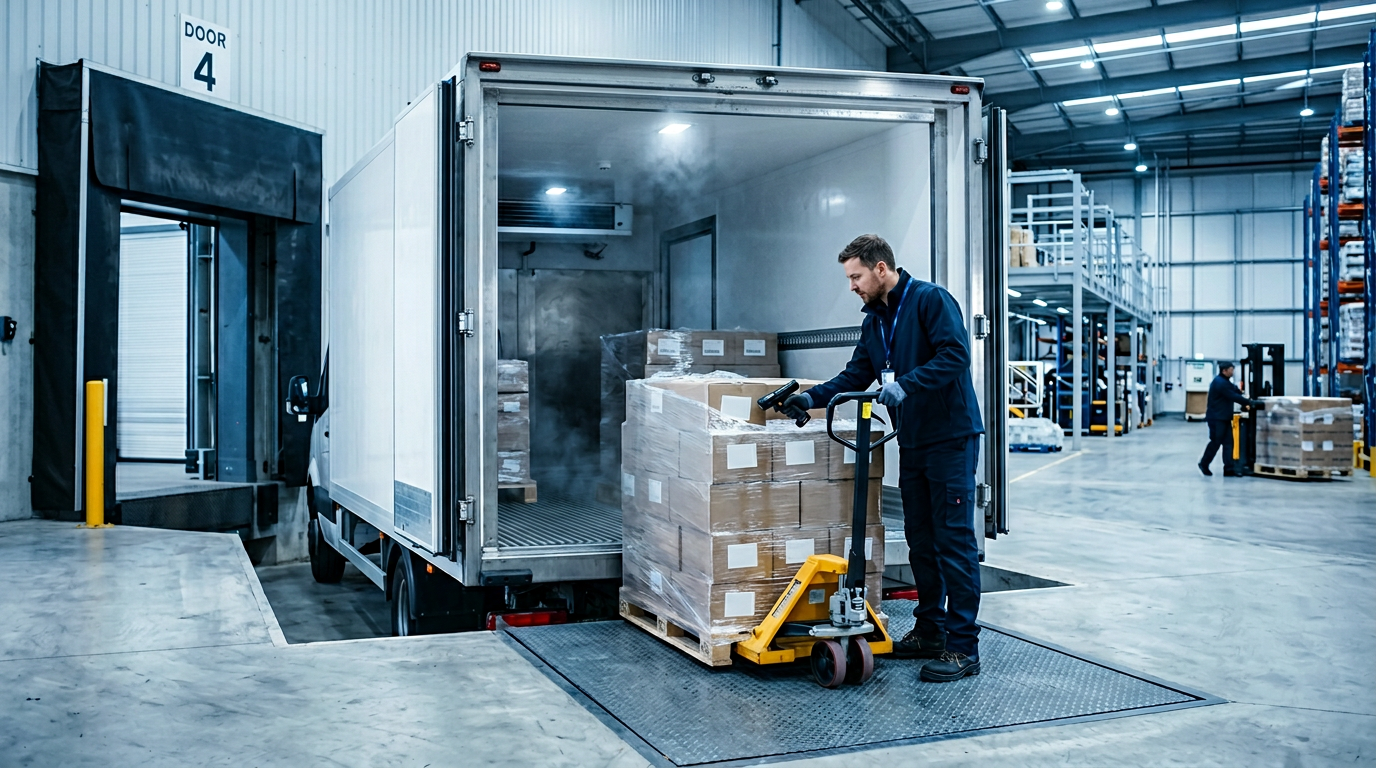
Food that must be transported at low temperatures can only be carried in vehicles equipped with modern refrigeration systems and devices that monitor and record temperature changes throughout the journey. The thermograph, which continuously documents temperature, is a separate measuring unit independent of the cooling system, ensuring operation even if the refrigeration system fails or provides inaccurate data. In addition to recording and storing temperature values, these devices often include other functions such as defrosting, thermostat regulation, and tracking door openings. Regulations clearly define transport temperatures and require all participants in the cold chain to comply at every stage of the food supply chain. Therefore, it is essential that the transport vehicle guarantees proper temperature under all circumstances, and in case of emergency, the fleet provider can supply a replacement vehicle before any damage occurs to the goods.
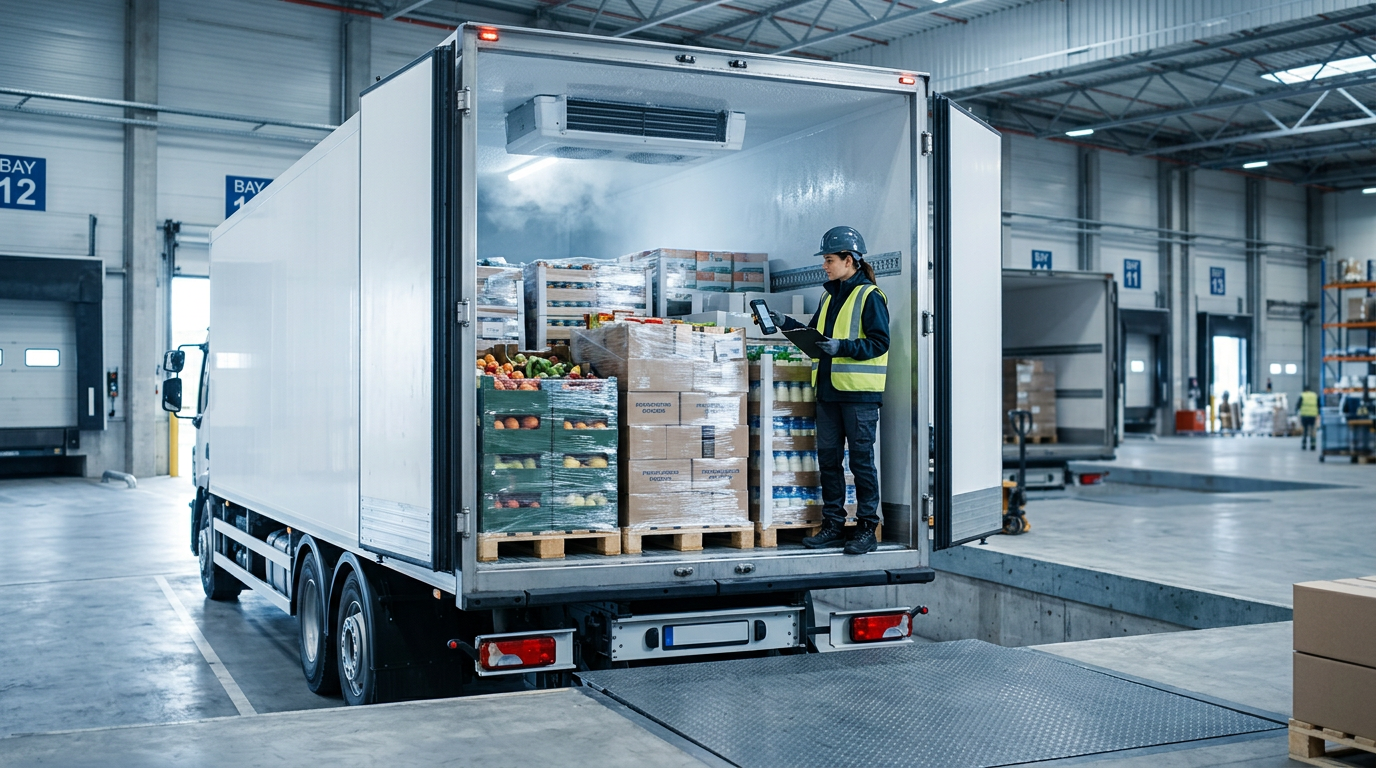
The transport of temperature-controlled products ensures that end consumers receive goods that are safe from a health perspective. This is why it is crucial that transportation complies with regulations. Adhering to legal requirements guarantees that food is transported without damage or contamination, while minimizing risks during loading, storage, and transit—thus preserving high quality from production all the way to the consumer’s table.
The required transport temperature must be adapted to the characteristics of the goods. Typically, the temperature range falls between -25°C and +25°C. Therefore, the food supply chain uses specialized vehicles, primarily various types of refrigerated trucks. Double-deck refrigerated trucks allow goods to be transported on two levels, increasing capacity without compromising quality. Partitioned refrigerated trucks are also popular, as they allow products requiring different temperatures to be transported simultaneously—maximizing delivery efficiency while maintaining compliance. Isothermal vehicles are also used for refrigerated transport. These can maintain the required temperature without active cooling through special insulation materials—making them suitable for short distances. However, long-term safety is ensured by actively refrigerated vehicles. Consider, for example, if a delivery is delayed for hours due to an accident or traffic congestion—your ice cream would quickly melt.

In line with the expectations of the food industry, MHC Mobility offers a wide range of truck rental services tailored for food transport, ensuring an optimal cold chain for its partners. Our refrigerated vans are available for both short- and long-term rental and fully comply with all regulations—when renting a refrigerated vehicle, you simply need to set the desired temperature.
MHC Mobility provides specialized vehicles that meet cold chain requirements for both short-term and long-term leasing, taking full responsibility for all related operational tasks within our services.
Additionally, MHC Mobility offers 24/7 roadside assistance and replacement vehicles in case of breakdowns. This service ensures maximum mobility and safety for food transport companies, guaranteeing uninterrupted operations.
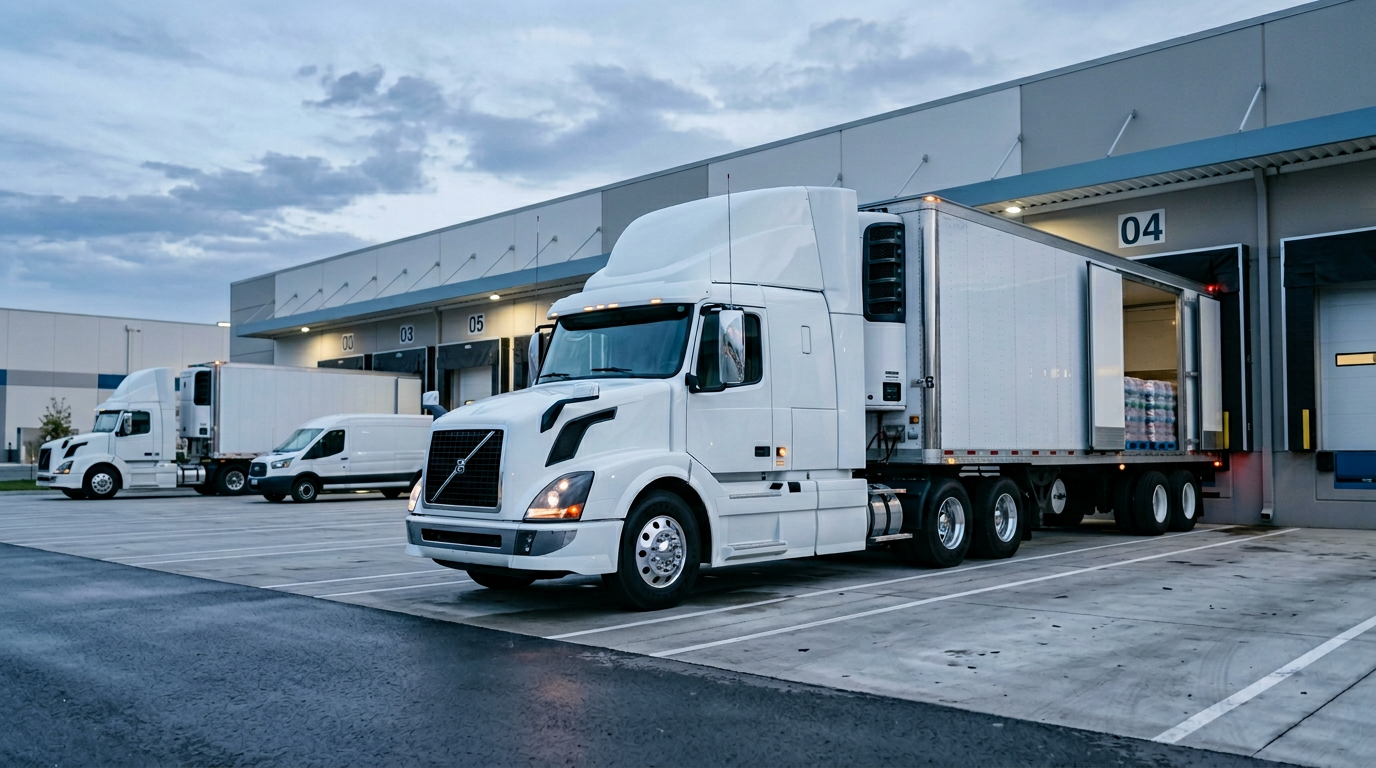
MHC Mobility’s experience and expertise in food logistics enable the development of customized vehicle solutions tailored to specific industry needs, such as individually controlled temperature zones within a single vehicle and specialized last-mile delivery requirements. This ensures that food products are transported under optimal insulation conditions, guaranteeing safety for consumption while enabling transport partners to deliver goods successfully day after day.
Choose MHC Mobility’s long-term truck rental solutions to support your business and ensure the safety of your food products.