

Most drivers and families assume comfort on long journeys is simply about having a soft seat. The evidence tells a very different story. Research into seating, road design, and passenger physiology shows that support, posture, and preparation matter far more than cushioning alone. Misconceptions about what creates real comfort lead people to overlook the factors that actually cause fatigue, pain, and irritability on the road. This guide cuts through the noise, using research-backed insights and practical tips to help travellers and families arrive feeling genuinely well rather than worn out.
Table of Contents
- Why comfort matters on long journeys
- Seat types and where you sit: what the research says
- Road conditions and motion sickness: minimising the risks
- Practical ways to boost comfort: tips, tricks, and gear
- Why comfort is an investment, not a luxury: a practical perspective
- Find the right travel gear for ultimate comfort
- Frequently asked questions
Key Takeaways
| Point | Details |
|---|---|
| Seat choice matters | Suspended seats dramatically reduce fatigue compared to standard options during long trips. |
| Avoid the middle rear seat | Middle rear seats, especially in smaller cars, are consistently the most uncomfortable for long journeys. |
| Plan routes for comfort | Opt for straighter roads and schedule breaks to minimise motion sickness and traveller fatigue. |
| Pack smart, gear up | Bringing proper support cushions, neck pillows, and entertainment makes a significant comfort difference. |
| Comfort pays off | Prioritising comfort leads to happier, safer, and more memorable long trips for all travellers. |
Why comfort matters on long journeys
Comfort in road travel is not simply about feeling pleasant. It is a functional requirement that directly affects your safety, your mood, and how well your body holds up over hours of sitting. When comfort breaks down, fatigue follows quickly, and fatigued passengers and drivers make poor decisions, become short-tempered, and are far more likely to ask for unplanned stops.
Research consistently identifies the neck and lower back as the two areas where discomfort peaks on long drives. These are not coincidences. The seated position places sustained load on lumbar vertebrae, and vibration from the road aggravates muscle tension over time. For families with children, this can turn into restlessness and crying well before a planned break. For older adults, it can mean genuine pain.
The question of managing travel fatigue is one that many drivers underestimate until they are three hours in and already struggling. The type of seat you are sitting in plays a surprisingly large role here. Studies show that suspended seats delay discomfort and neuromuscular fatigue better than soft or firm seats during three-hour drives, with muscular activity remaining stable in suspended seat conditions while deteriorating in others.
“Suspended seats maintain stable posture support and delay whole-body discomfort and neuromuscular fatigue, offering a measurable advantage over soft or firm seat designs over a three-hour driving period.”
Common sources of discomfort on long trips include:
- Poor lumbar support, leaving the lower back unsupported for extended periods
- Inadequate headrests, causing neck strain and tension
- Temperature extremes, whether too warm or too cold for individual passengers
- Restricted leg room, leading to stiffness and poor circulation
- Monotony and mental fatigue, which amplify physical discomfort over time
- Vibration from road surfaces, especially on motorways at speed
Children and older adults are especially vulnerable because they have less capacity to adjust their posture independently or communicate early warning signs of discomfort. Getting staying comfortable on the road right from the start of a journey is far easier than trying to fix problems mid-route.
Seat types and where you sit: what the research says
Not all seats in your vehicle are created equal, and the differences matter more than most travellers realise. Studies comparing discomfort scores across different seating positions reveal a consistent pattern: the middle rear seat consistently causes more discomfort than any other position, particularly in city cars.
The reasons are structural. Middle rear seats in smaller vehicles typically lack dedicated headrests, have narrower backrests, and offer no access to air conditioning vents. These seat discomfort statistics show that middle seat occupants report significantly higher discomfort in the arms, knees, and legs compared to window seat passengers, regardless of journey length.
| Seat position | City car discomfort (arms/knees) | SUV discomfort (arms/knees) |
|---|---|---|
| Driver | Low to moderate | Low |
| Front passenger | Low | Low |
| Rear window seat | Moderate | Low to moderate |
| Middle rear seat | High | Moderate |
For families, making your car a comfortable space starts with being thoughtful about who sits where. Putting a child in the middle rear of a city car for a four-hour journey is a recipe for complaints that begin well before the halfway mark.
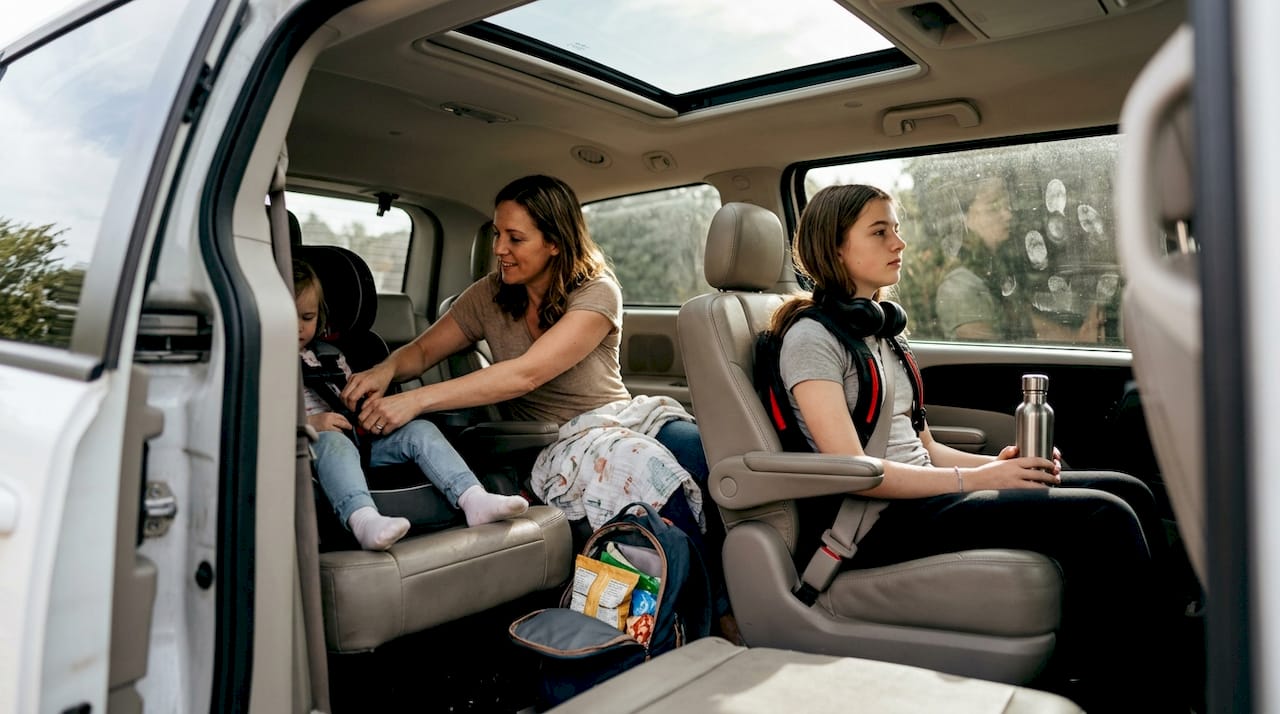
Seat design factors that genuinely influence comfort include the quality of the backrest angle adjustment, the presence of individual headrests, access to vents, and whether the seat uses a suspended or foam-based structure. SUVs generally outperform city cars in every comfort metric, but you can offset some of the gap with the right accessories.

Pro Tip: Before a long journey, spend two minutes adjusting your seat angle, headrest height, and lumbar support. These small changes, combined with packing tips for comfort, can significantly reduce fatigue accumulation over several hours.
How to select the best seat for your trip:
- Assign the most comfort-critical passengers (elderly, young children, motion-sensitive) to window seats with individual headrests
- Adjust seat angle before departure so the lumbar region is properly supported
- Ensure each passenger has access to a vent or a personal fan for temperature control
- Check that legroom allows slight knee bend rather than fully extended or sharply bent legs
- Reserve the middle rear only for shorter legs of the journey if unavoidable
Road conditions and motion sickness: minimising the risks
The road itself is a major comfort variable, and one that many families do not factor into their planning. Motion sickness is not just an inconvenience. For children, it can derail an entire day of travel, and for adults prone to it, even a moderately twisty route can become miserable.
Research measuring motion sickness severity by road type reveals striking differences. S-curves cause severe sickness with an average score of 8.4 out of 10 in susceptible passengers, while straight roads produce an average score of just 1.4 out of 10. The physical explanation is that repeated lateral acceleration confuses the vestibular system, triggering nausea, sweating, and disorientation.
| Road segment | Average motion sickness score (out of 10) |
|---|---|
| S-curve | 8.4 |
| R5 sweeping bend | 5.2 |
| Gentle curve | 3.1 |
| Straight road | 1.4 |
“Road geometry is one of the most controllable risk factors for passenger comfort. Choosing routes with fewer tight curves significantly reduces motion sickness incidents, particularly for children and older passengers.”
Practical steps to reduce motion sickness risk on your next trip:
- Plan routes using motorways and A-roads rather than winding B-roads, especially for the first few hours
- Keep fresh air circulating continuously, either via vents or a cracked window
- Seat motion-prone passengers in the front or at a rear window position, never the middle rear
- Avoid heavy meals immediately before departure
- Schedule a proper stop every 90 to 120 minutes so passengers can walk and reset their vestibular system
- Keep a small comfort kit accessible: water, a light snack, and a cool cloth
For children especially, using travel routines for calm helps create a predictable rhythm that reduces anxiety and, in turn, reduces susceptibility to motion sickness. Distraction through audiobooks or music can also help shift attention away from physical sensations during unavoidable curves.
Practical ways to boost comfort: tips, tricks, and gear
Knowing the science is useful, but what you actually bring in the car and how you set things up makes the real difference. The best comfort strategies are tailored to your specific passengers and their needs. As research confirms, preparation mitigates discomfort far more effectively than trying to adjust on the fly during a long journey.
Essentials to pack for a comfortable long trip:
- Neck pillows for every passenger, especially children and older adults
- Light blankets or layers, since car temperatures fluctuate unexpectedly
- Healthy snacks and water to maintain energy without heavy digestion
- Portable lumbar support cushions if your seats lack adjustable lower back support
- Foot rests or rolled blankets under feet for rear passengers without floor space
- Entertainment suited to each passenger: headphones, tablets, or audiobooks
- Compression socks for anyone prone to swollen legs or poor circulation on long sits
Preparing for long trips is worth doing systematically. A quick ten-minute pack the night before covers most comfort bases and means you are not scrambling at the last minute.
Pro Tip: If your vehicle has basic foam seats without suspension, a quality gel or memory foam seat pad can replicate some of the benefits of a suspended seat design at a fraction of the cost. Pair it with a lumbar roll and you will feel the difference within the first hour.
For families travelling with children, comfort tips for families include managing temperature zones individually where possible, keeping entertainment readily accessible without requiring children to lean forward awkwardly, and having a consistent snack-and-stretch routine rather than waiting for complaints.
Simple in-journey stretches every 90 minutes, rolling the shoulders, flexing the ankles, and tilting the neck gently from side to side, reset muscle tension before it becomes pain. These take under two minutes and make a measurable difference to how everyone feels at the end of the day.
Why comfort is an investment, not a luxury: a practical perspective
There is a tendency to treat comfort as something you earn with speed or savings. Get there fast, spend less on extras, sort out the aches when you arrive. We think this is exactly backwards.
Trips are not remembered by how quickly you arrived. They are remembered by how everyone felt during the journey. A family that arrives tense, irritable, and sore starts the holiday already running a deficit. The first evening is spent recovering rather than enjoying. That cost is real, even if it does not show up on a fuel receipt.
What actually works is rarely the most expensive option. Adjustable seat gear and a portable lumbar cushion outperform a premium car model with poor seating ergonomics. A well-planned route through flatter, straighter roads saves more suffering than any onboard entertainment system. Good packing beats good luck every time.
The truth we have come to from years of road experience is this: good comfort is invisible until you do not have it. You only notice it when the neck ache sets in at hour two, or when a child starts crying because they cannot get comfortable, or when the driver snaps at someone for no clear reason. Investing in practical comfort strategies before you leave costs very little compared to the alternative.
Find the right travel gear for ultimate comfort
Putting what you have learned into practice starts with having the right gear on board. At Convoy, we have built our range around the real needs of travellers and families who spend serious time on the road.

Whether you are looking for a reflective safety harness to keep younger passengers secure and visible, or an adjustable safety helmet for active stops along the route, our products are designed to complement the comfort-first approach outlined in this guide. Browse our full range of travel comfort solutions to find gear that removes the guesswork and makes every kilometre more enjoyable, for every passenger in the vehicle.
Frequently asked questions
Which car seat is most comfortable for long trips?
Suspended seats are optimal as they delay discomfort and neuromuscular fatigue significantly better than soft or firm seats across multi-hour drives.
How can I prevent motion sickness on twisty roads?
Choose straight routes where possible, maintain good ventilation, and keep motion-prone passengers away from the middle rear seat, as S-curves score 8.4/10 for sickness severity versus just 1.4 on straight roads.
What essentials should every family bring to stay comfortable?
Neck pillows, light blankets, snacks, water, entertainment, and portable support cushions cover the most common comfort needs for passengers of all ages on long journeys.
Is the middle seat always the worst place to sit?
Middle rear seats in smaller vehicles cause the most discomfort, particularly for arms and knees, as middle seat occupants report higher scores due to narrower backrests, absent headrests, and no AC vents.
Can comfort gear really make a difference?
Yes. As preparation research confirms, comfort strategies tailored to individual and family needs can reliably mitigate predictable discomfort sources, with proper seat supports, pillows, and climate controls reducing fatigue and aches meaningfully on long trips.