

Most travellers assume that structure and adventure are opposites. The idea goes that a rigid plan kills the joy of discovery, so it is better to wing it and see what happens. But this thinking quietly drains the energy you need to actually enjoy the trip. Travel routines minimise decision fatigue for parents and travellers alike, freeing up mental space for the moments that matter. This guide explains what travel routines are, why the research supports them, and how to build ones that are flexible enough for real life on the road.
Table of Contents
- What are travel routines and why do they matter?
- The proven benefits of planning travel routines
- How to design travel routines that actually work
- Balancing structure and spontaneity when travelling
- Why most people fail to sustain travel routines and how to succeed
- Equip your travel with tools for peace of mind
- Frequently asked questions
Key Takeaways
| Point | Details |
|---|---|
| Routines reduce stress | Pre-planned travel routines limit decision fatigue, making journeys smoother for everyone. |
| Greater travel satisfaction | Routines boost enjoyment and perceived value from each trip, supported by empirical evidence. |
| Structure encourages spontaneity | A strong routine creates mental space for true adventure and flexible, stress-free experiences. |
| Adapt routines proactively | Audit and design travel-proof routines before journeys for lasting effectiveness. |
What are travel routines and why do they matter?
A travel routine is any repeated sequence of actions you carry out during a journey to keep things running smoothly. Think morning pack-up rituals, consistent meal timing, pre-departure checklists, or a wind-down process before sleep in an unfamiliar place. These are not rigid schedules that leave no breathing room. They are reliable anchors that reduce the number of fresh decisions you need to make each day.
Decision fatigue is the real enemy of enjoyable travel. Every time you face a new choice, your brain spends energy. When you are already navigating unfamiliar roads, new languages, and unexpected delays, even small decisions like where to stop for lunch or who packs the sunscreen can feel exhausting. Routines make those decisions automatic, preserving your energy for the experiences you actually came for.
The benefits extend across all types of travellers. Families with young children gain the most obvious wins: consistent bedtimes and mealtimes help kids feel secure in strange environments. But managing travel time well is equally valuable for solo adventurers and frequent movers who need to stay sharp across back-to-back trips.
Here are the core types of travel routines worth building:
- Pre-departure checklist routine: A fixed sequence for packing, checking documents, and loading the car
- Morning routine on the road: A consistent start to each travel day, even if the location changes
- Meal and hydration routine: Planned stops or snack schedules to avoid energy crashes
- Evening wind-down routine: A brief ritual to signal rest, especially useful for children
- Organisation routine: A system for organising travel essentials so nothing gets lost
“Routines reduce the cognitive load of travel, allowing both adults and children to arrive at each destination with more energy and less irritability.” This principle sits at the heart of every effective travel system.
The key insight is simple: when your habits handle the ordinary, your mind is free to enjoy the extraordinary.
The proven benefits of planning travel routines
Understanding the relevance of routines leads naturally to the question: what tangible results can you actually expect?
Research consistently supports the value of structured approaches to travel. Perceived travel benefits improve satisfaction when travellers feel organised and in control, even when external conditions are imperfect. In other words, it is not just about having a smooth trip. It is about feeling good during the trip, and routines are one of the most reliable ways to achieve that.
Consider this comparison of routine versus non-routine travel experiences:
| Factor | With travel routines | Without travel routines |
|---|---|---|
| Decision fatigue | Low | High |
| Packing errors | Rare | Common |
| Family stress levels | Reduced | Elevated |
| Adaptability to delays | High | Low |
| Overall trip satisfaction | Increased | Variable |
Stat to note: Travellers who follow structured pre-trip and on-trip routines consistently report higher perceived enjoyment, even on journeys that include disruptions like delays or weather changes.
Routines also make it significantly easier to adapt when things go off-script. When your baseline is organised, a missed turn or a cancelled booking is a problem to solve rather than a crisis. You know where your documents are. You know your next planned stop. You have a system, and that system holds even when the world around it does not.
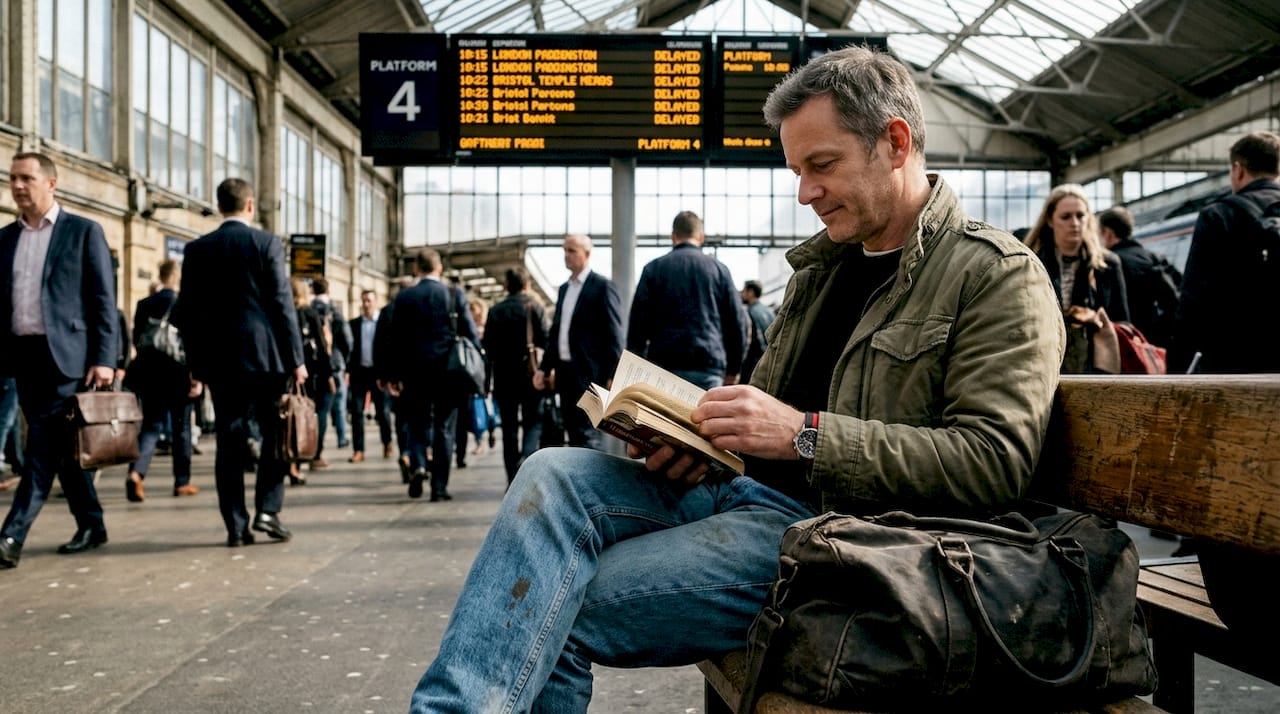
For busy families and frequent movers, this is particularly valuable. Reviewing expert packing tips before a long journey, for example, is itself a routine act that pays dividends throughout the trip. The same logic applies to planning a smoother journey from the outset: the preparation is part of the routine, not separate from it.
The result is a compounding effect. Each small routine you build reduces friction, and less friction means more genuine enjoyment.
How to design travel routines that actually work
Equipped with the benefits, the next step is building routines that hold up to real-world travel challenges.
Step 1: Audit your current habits at home. Before you can adapt a routine for travel, you need to know what your existing routines actually are. Write down your typical morning sequence, your packing process, and your evening habits. These become the templates for your travel versions.
Step 2: Create travel-adapted versions of each routine. Strip each home routine down to its essential function, then find a travel-friendly way to replicate it. A morning coffee ritual at home might become a thermos and a five-minute sit before driving. A bedtime story for children might become an audiobook in the car.
Step 3: Use if-then planning for disruptions. If-then planning counters habit-context binding, which is the tendency for habits to collapse when the environment changes. Write specific responses: “If we arrive late and the kids are overtired, then we do the short version of the bedtime routine.” This removes the need to improvise under pressure.
Step 4: Build a portable anchor kit. Frequent movers maintain routines using portable anchors and behavioural kits. This might include a familiar pillow, a specific playlist, a travel journal, or a favourite snack. These items signal to your brain that the routine is beginning, regardless of location.
Step 5: Review and refine after each trip. What worked? What felt forced? Adjust accordingly before the next journey.
Here is a quick comparison of home versus travel routine adaptations:
| Home routine | Travel adaptation |
|---|---|
| Morning coffee at the kitchen table | Thermos coffee before the first drive |
| Children’s bedtime story | Audiobook or short podcast episode |
| Evening bag check | Five-minute car organisation sweep |
| Gym session | Morning walk at rest stop |
Pro Tip: Keep your anchor kit in the same bag every trip. Familiarity with where things are is itself a calming routine, especially for preparing for travel with kids who thrive on predictability.
For drivers specifically, routines that help drivers stay calm follow the same logic: consistent pre-drive checks, scheduled rest stops, and post-drive wind-downs all reduce the cognitive load of long-haul travel.
Balancing structure and spontaneity when travelling
Having built your routine, an important concern remains: will all this structure squeeze the life out of the adventure?
The short answer is no. The longer answer is that structure enables better spontaneity by reducing fatigue. When you are not exhausted from a hundred small decisions, you have the energy and the mood to say yes to unexpected opportunities. A local festival. A detour to a viewpoint. An impromptu swim. These moments happen more often when you are not running on empty.
The myth that structure kills adventure persists because people confuse a rigid itinerary with a flexible routine. An itinerary tells you exactly where to be at every hour. A routine tells you how to start the day, when to eat, and how to wind down. Everything in between is wide open.
Here are practical ways to protect spontaneity within a structured routine:
- Build in open time blocks: Schedule at least one unplanned hour per day. Label it “explore” and leave it genuinely empty.
- Use soft anchors, not hard deadlines: “We aim to eat around noon” is a routine. “We must eat at 12:00 exactly” is a constraint.
- Allow routine swaps: If a spontaneous activity clashes with a planned routine moment, swap rather than cancel. Move the walk to the evening.
- Celebrate deviations: When something unexpected and wonderful happens, treat it as a success of the routine, not a failure. Your routine gave you the energy to say yes.
Pro Tip: Choose one daily anchor that never changes, such as a morning walk or a shared snack at a scenic spot. This single consistent moment helps the whole family manage travel fatigue without feeling over-scheduled.
The goal is not a perfectly executed plan. It is a reliable rhythm that makes the unexpected feel exciting rather than overwhelming.
Why most people fail to sustain travel routines and how to succeed
Most travel advice focuses on what routines to build. Very little of it addresses why those routines collapse the moment you leave home. The answer lies in something called habit-context binding: your habits are deeply tied to the physical environment in which you formed them. Change the environment and the habit often fails to follow.
This is not a character flaw. It is how habits work. The problem is that most packing lists and travel guides ignore it entirely. They tell you to maintain your routine without acknowledging that the context has fundamentally changed.
What actually works is pre-designing travel-proof routines using if-then planning before you leave. You anticipate the friction points and script your responses in advance. You also build your anchor kit so that familiar objects recreate a sense of context wherever you are.
We have seen this pattern repeatedly in the stories shared by drivers and families in the Convoy community. The travellers who sustain their routines longest are not the most disciplined. They are the ones who expected friction and designed for it. Sustaining a travel routine is not about willpower. It is about preparation. And that is a much more encouraging truth. Explore drivers’ travel routines for real-world examples of how this plays out on long journeys.
Equip your travel with tools for peace of mind
Building strong travel routines is only half the picture. The other half is having reliable equipment that supports those routines without adding stress.

At Convoy Vibe, we design travel essentials for people who take their journeys seriously. Whether you need an alarm for cargo and bicycles to protect your gear at rest stops, or a bright reflective safety harness for visibility on the road, our products are built to slot into your existing routines without fuss. When your equipment works reliably, your routine works reliably. Browse our range and find the tools that make your next journey calmer, safer, and better organised.
Frequently asked questions
How do travel routines reduce stress?
Routines automate daily decisions, saving mental energy so you can focus on enjoying the journey rather than managing logistics.
What is habit-context binding in travel?
Habit-context binding means your established habits are linked to familiar environments, so they often break down when you travel unless you pre-plan travel-proof versions.
Can rigid travel routines make trips boring?
No. Well-structured routines reduce fatigue and free up energy for spontaneous moments, meaning structure enables better spontaneity rather than limiting it.
How do families tailor routines for children while travelling?
Portable anchors and behavioural kits, such as consistent mealtimes, familiar objects, and short bedtime rituals, help children adapt to new environments without losing their sense of security.