

A striking 85% of parents say travel brings their family closer together, yet so many trips still end in frazzled nerves, forgotten essentials, and children who are bored before you’ve left the motorway. The gap between wanting a wonderful family holiday and actually having one comes down to organisation. Not rigid, military-style scheduling, but thoughtful preparation that puts comfort, safety, and genuine togetherness at the centre of every decision. This guide walks you through the real benefits of organised family travel, what the research says about children’s growth on the road, and how to build a planning approach that leaves room for laughter, spontaneity, and memories that last a lifetime.
Table of Contents
- How organised family trips strengthen relationships
- Educational and emotional growth for children through travel
- Planning for comfort, safety, and inclusion
- How to balance planning and spontaneity for family happiness
- A fresh perspective: why the best family trips aren’t the most expensive, just the most thoughtful
- Make the next family trip safer, more comfortable, and happier
- Frequently asked questions
Key Takeaways
| Point | Details |
|---|---|
| Stronger family bonds | Organised travel helps create meaningful shared memories and closer relationships. |
| Enhanced child development | Trips foster children’s confidence, adaptability, and cultural awareness more than routine home life. |
| Comfort and safety first | Planning makes it easier to keep everyone comfortable, safe, and included, whatever their needs. |
| Flexible planning wins | Combining structure with spontaneity ensures both safety and fun for the whole family. |
How organised family trips strengthen relationships
There is something quietly powerful about being in a car together for six hours with nowhere else to be. No school run, no work emails, no separate screens in separate rooms. Organised family travel creates the conditions for connection that everyday life rarely offers. When you plan ahead, you remove the friction that turns a holiday into a headache, and what remains is time. Real, uninterrupted time together.
Shared experiences strengthen family bonds and build lasting memories far more effectively than material gifts or routine weekends at home. The key word here is shared. An activity everyone participates in, even something as simple as choosing where to stop for lunch, builds a sense of team identity that children carry with them for years.
Unstructured trips, by contrast, tend to amplify stress. When nobody knows what comes next, small irritations grow. Arguments about directions, hunger at the wrong moment, or a child who is overtired and under-stimulated can derail even the most well-intentioned outing. Planning removes these friction points before they arise.
“The most enduring gifts you can give your children are not things. They are experiences, stories, and the feeling of belonging to something bigger than themselves.”
Here are some of the activities that consistently foster closeness on family trips:
- Shared meals at local restaurants or picnic spots, where everyone tries something new
- Joint explorations of a new town, market, or nature trail without a strict time limit
- Evening games at the campsite or hotel, from card games to storytelling rounds
- Travel rituals, such as a family playlist everyone contributes to, or a trip journal with drawings from the children
- Problem-solving together, like navigating a new city or finding an alternative route
Pro Tip: Turn routine moments into rituals. If you always stop at a particular type of roadside café or play the same car game when you cross a county border, children begin to anticipate and cherish these moments. Rituals signal safety and belonging.
For practical ideas on what to bring along, our guide to road trip gear for family fun covers the essentials that keep everyone comfortable and engaged. You will also find specific advice on keeping kids comfortable during long stretches on the road.
Educational and emotional growth for children through travel
Family travel is one of the most effective classrooms available to children, and it costs no extra tuition fees. When children encounter new environments, languages, foods, and people, they develop skills that no worksheet can replicate. The FTA Family Travel Survey 2025 confirms that travel fosters adaptability, confidence, cultural awareness, and practical life skills in children across all age groups.
Here are six specific ways travel supports children’s development:
- Trying new foods builds openness and reduces fussiness over time
- Meeting peers from different backgrounds develops empathy and social confidence
- Navigating unfamiliar places sharpens problem-solving and spatial awareness
- Hearing different languages sparks curiosity and often motivates language learning
- Adapting to changed routines builds resilience and emotional flexibility
- Participating in trip decisions grows responsibility and self-esteem
| Benefit reported by parents | Percentage of families || |—|—| | Increased confidence in children | 78% | | Greater cultural awareness | 71% | | Improved adaptability | 65% | | Stronger family communication | 69% | | Broader educational knowledge | 60% |
These are not minor gains. A child who returns from a two-week road trip having navigated a ferry terminal, tried food from three different countries, and helped read a map is genuinely more capable than when they left.
Pro Tip: Assign each child a small travel role. One can be the navigator, another the photographer, and another the keeper of the trip journal. Responsibility breeds engagement, and engaged children are far less likely to ask “are we there yet?”
For families planning longer journeys, our guide on road trips with children covers comfort and patience strategies in detail. It is also worth reading about staying comfortable and healthy on the road, especially for younger travellers.
Planning for comfort, safety, and inclusion
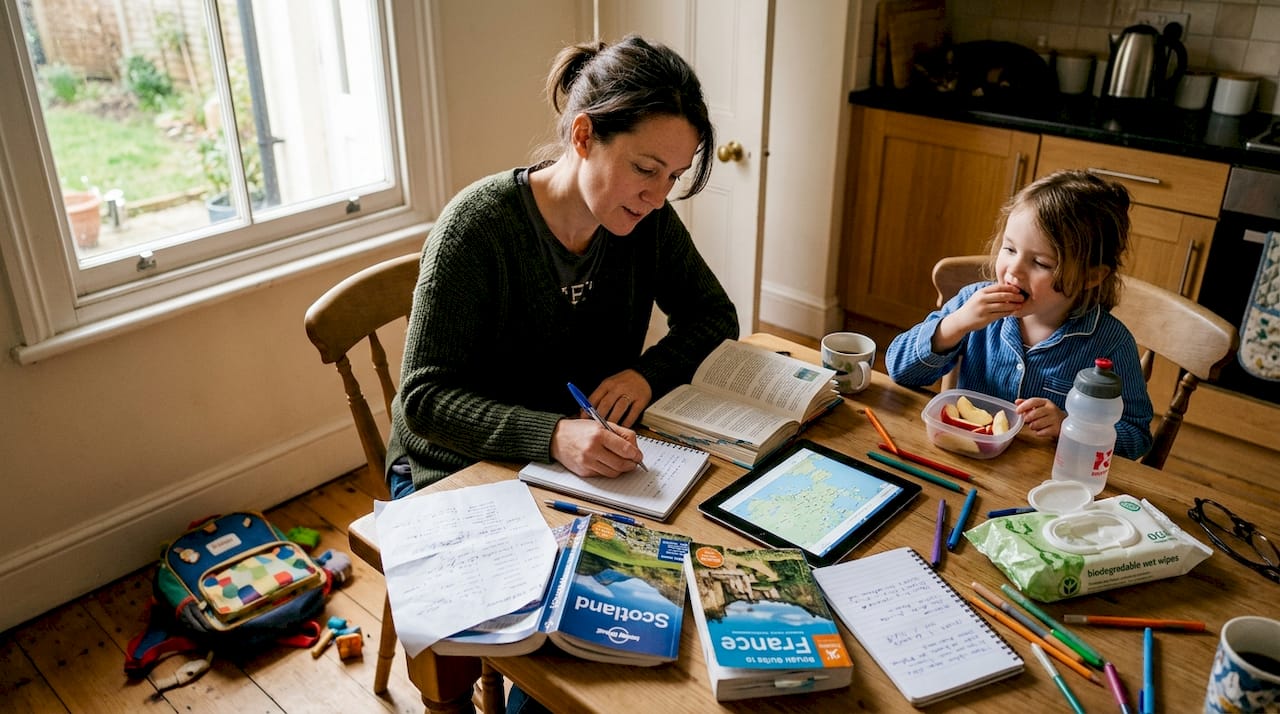
Comfort and safety are not luxuries on a family trip. They are the foundation everything else is built on. When a child feels safe and physically comfortable, they are open to new experiences. When a parent feels organised, they are present rather than anxious. The difference between a planned and an unplanned trip is significant.
| Factor | Unplanned trip | Planned trip |
|---|---|---|
| Safety preparation | Reactive | Proactive |
| Comfort for all ages | Inconsistent | Tailored |
| Accessibility needs | Often overlooked | Arranged in advance |
| Budget management | Unpredictable | Controlled |
| Stress levels | High | Significantly lower |
The 2025 NYU/FTA Family Travel Survey highlights that multi-generational trips are rising, now accounting for 57% of family travel, and that families with special needs members travel more frequently than average but rate the industry poorly for accessibility. This is a gap that thoughtful planning can partially bridge, even when the industry falls short.
Here is a checklist of must-haves for inclusive, comfortable family travel:
- Pre-arranged accommodation that suits all mobility and sleep needs
- Accessible transport options confirmed before departure
- Comfort essentials such as neck pillows, familiar snacks, and entertainment for each child
- First aid kit tailored to your family’s specific health needs
- Flexible itinerary with built-in rest stops and quiet time
- Safety gear appropriate for activities planned, from helmets to harnesses
Choosing destinations with genuine family infrastructure matters enormously. A beach resort with no ramp access or a city break with no quiet spaces for sensory-sensitive children will exhaust rather than delight. Research destinations as carefully as you research hotels.
For detailed guidance, our packing tips for family trips and advice on packing smart with kids will help you prepare without overpacking. You will also find our roundup of essential travel accessories useful for equipping every family member.
How to balance planning and spontaneity for family happiness
Overplanning is a real risk. A trip where every hour is scheduled leaves no room for the unexpected café that becomes everyone’s favourite memory, or the detour that turns into an adventure. But too little planning brings its own chaos. The sweet spot is structured flexibility.
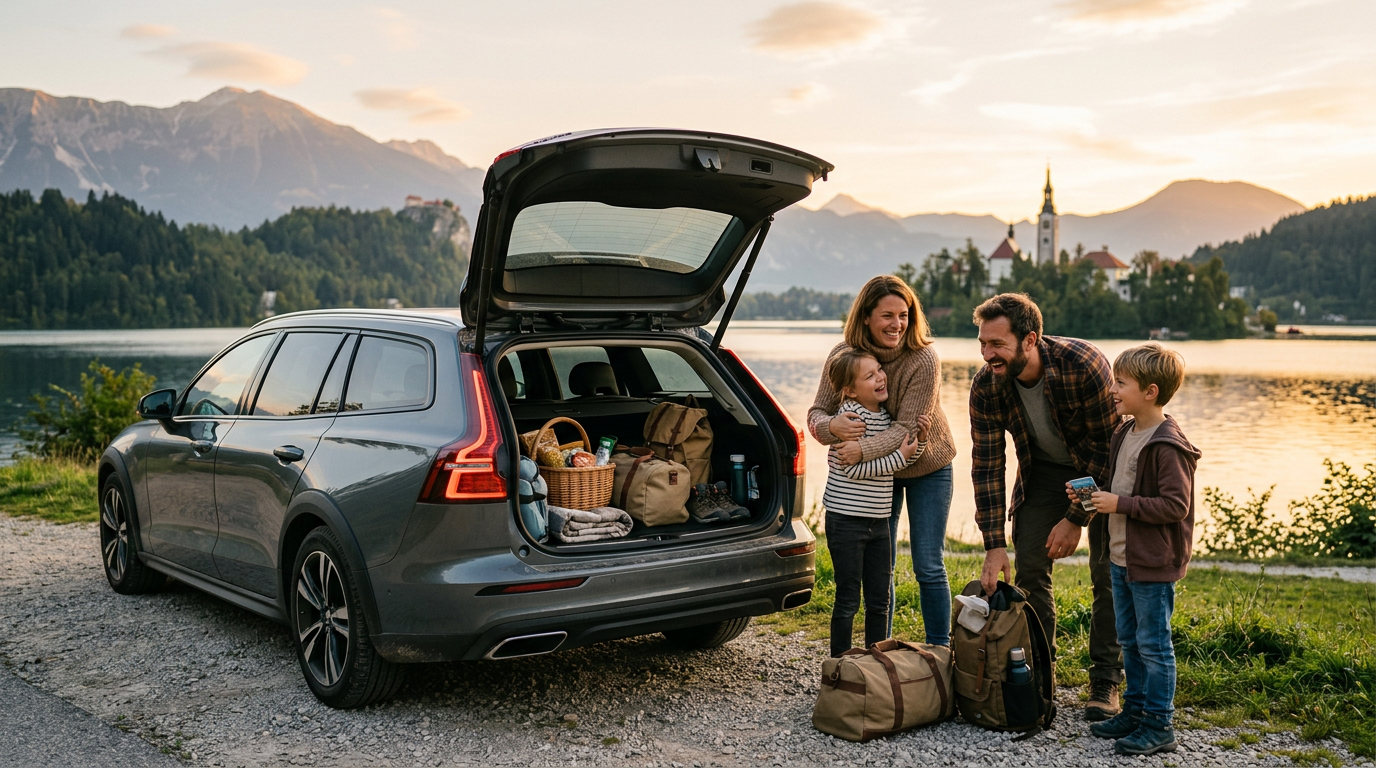
The 2025 NYU/FTA survey reinforces that families who combine organised planning with flexible execution report the highest levels of satisfaction, safety, and comfort on their trips.
Here is a simple five-step framework for getting the balance right:
- Plan the non-negotiables first: accommodation, transport, and any bookings that require advance purchase
- Build in free half-days on every two to three days of structured activity
- Let each family member choose one activity for the trip, with no vetoes allowed
- Set a daily budget buffer of around 10 to 15% for spontaneous opportunities
- Review the plan together the evening before each day, so everyone feels informed and included
Pro Tip: Create a “wish list” before the trip where every family member, including young children, writes down one thing they hope to see or do. You won’t fit everything in, but consulting the list when you have a free afternoon makes everyone feel heard.
Affordability is another dimension of balance. Planning ahead locks in better prices on accommodation and transport, while leaving discretionary spending flexible allows you to grab last-minute deals or say yes to something unexpected.
For accommodation ideas, our guide on family-friendly accommodation is a strong starting point. Pair it with our tips on staying healthy on family trips to keep everyone feeling their best throughout.
A fresh perspective: why the best family trips aren’t the most expensive, just the most thoughtful
There is a persistent myth that a truly memorable family holiday requires a significant budget. A long-haul flight, a luxury resort, a packed itinerary of ticketed attractions. We have seen enough family travel to say, with confidence, that this is simply not true.
73% of families cite affordability as their biggest travel challenge, yet the same research shows that the benefits of family travel consistently outweigh the costs for the vast majority. The families who report the happiest trips are not necessarily the ones who spent the most. They are the ones who planned with care, included everyone in decisions, and stayed present.
What creates connection is not a five-star hotel. It is the evening walk after dinner, the inside joke that started on day two, the moment a child sees the sea for the first time. These things cost very little. What they require is attention and intention.
Invest your energy in planning thoughtfully rather than spending lavishly. Research your destination with your family’s specific needs in mind. Pack for comfort, not just convenience. Build in time to simply be together without an agenda. The families who do this, whether they are growing on the road in a campervan or staying at a modest seaside guesthouse, consistently come home closer than when they left.
Make the next family trip safer, more comfortable, and happier
You now have the framework. The research backs it up, the planning tools are in your hands, and the benefits for your family are clear. The next step is making sure you have the right gear to keep everyone safe and comfortable from the moment you set off.

At Convoy Vibe, we have built our range around exactly this kind of purposeful family travel. The bright ride reflective harness keeps younger children visible and secure in busy environments, while our lightweight safety helmet is designed for active family adventures without the bulk. Small additions to your kit can make a real difference to how safe and relaxed everyone feels on the road. Browse our range and find the pieces that fit your family’s next journey.
Frequently asked questions
How does organising a family trip improve our experiences?
Organised family trips minimise stress, keep everyone safer and happier, and create more positive shared memories than unplanned travel tends to deliver.
What is the best way to include children of different ages?
Plan age-appropriate activities and allow each child to choose at least one part of the itinerary, which research shows boosts engagement and overall satisfaction for children of all ages.
How can families with special needs members plan successful trips?
Select inclusive destinations, pre-arrange all accessibility requirements well in advance, and bring comfort essentials tailored to each traveller, as multi-generational travel continues to grow and destinations are slowly improving their provision.
Do family trips need to be expensive to be memorable?
No. Thoughtful planning and genuine shared experiences matter far more than budget size, and 73% of families who cite cost as a challenge still report that the benefits of travelling together far outweigh the expense.