

Most travellers have felt it: that sinking sense of dread at the baggage carousel, hauling a bag so heavy it leaves marks on your shoulders, then realising half its contents never left the bottom. Overpacking “just in case” items is one of the most widespread mistakes in travel, yet it persists journey after journey. Packing light is not about deprivation or minimalist ideology. It is about arriving with energy, moving freely, and spending less time managing your belongings and more time actually experiencing where you are.
Table of Contents
- The real costs of overpacking
- The science and strategy of packing light
- Debunking common myths about packing light
- Practical tips and quick wins for lighter travel
- Why packing light is a skill you build, not a rule you follow
- Upgrade your travel gear for lighter, safer journeys
- Frequently asked questions
Key Takeaways
| Point | Details |
|---|---|
| Less is more | Packing fewer items reduces stress, fatigue, and travel hassles dramatically. |
| Pack for one week | Limiting clothing to a week and planning for laundry cuts unnecessary weight and bulk. |
| Quality over quantity | Focusing on multi-use, lightweight gear delivers comfort without extra baggage. |
| Skills improve over time | Your ability to pack light gets stronger as you gain experience and learn what you truly need. |
The real costs of overpacking
Most people treat overpacking as a minor inconvenience. In reality, it shapes the entire tone of a trip from the moment you leave home. When your bag is bursting, you start paying before you even board. Airline baggage fees can quickly add up to more than the cost of simply buying what you need at your destination. And that is just the financial side.
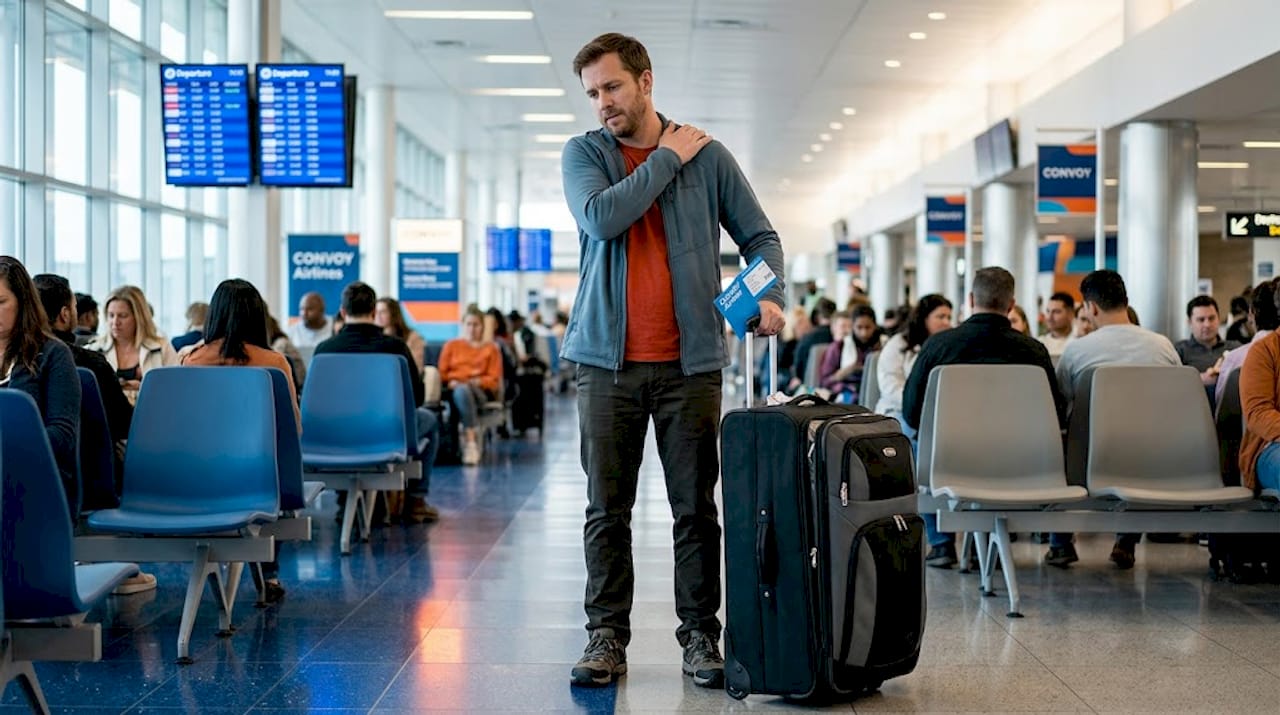
The physical toll is where it really bites. Carrying a heavy pack can cause genuine fatigue and joint discomfort, particularly for older travellers or those covering long distances on foot. Your knees, hips, and lower back absorb the load with every step. After a full day of transit, even a seasoned traveller will feel the difference between a 10 kg bag and a 20 kg one.
“The bag that felt fine in your hallway will feel like a punishment by the third hour of walking through an airport, a station, or an unfamiliar street.”
Then there is the logistical drag. Large bags restrict where you can go, how fast you move, and how spontaneously you can adapt your plans. Trying to squeeze an oversized rucksack onto a crowded bus, lug it up narrow hostel stairs, or fit it into a compact hire car is frustrating in ways that erode travel enjoyment rapidly. You can find detailed packing tips for long journeys that address exactly this kind of friction.
The most common overpack culprits include:
- Multiple pairs of shoes when one versatile pair would do
- Bulky towels that could be replaced by a compact travel version
- Three or four physical books for a two-week trip
- Gadgets and chargers for every scenario, most of which never get used
- Duplicate toiletries, clothing “just in case”, and formal outfits for occasions that never arise
Each of these items feels reasonable in isolation. Together they create a bag that weighs you down physically, mentally, and financially. Learning to avoid travel stress begins with the bag you choose to carry.
The science and strategy of packing light
Understanding why you overpack is the first step. The second is having a reliable framework for packing smarter. This is not about fitting your entire wardrobe into a single pouch. It is about making deliberate choices that serve the actual trip you are taking, not the imaginary worst-case one.
For long trips, packing for one week and planning to do laundry is one of the most effective space-saving approaches available. A two-week or month-long journey does not require twice the clothing. It requires a plan. Most destinations have laundry facilities, whether that is a laundrette, a hotel service, or a sink in your accommodation.
Here is a straightforward breakdown of what typically belongs in your bag versus what can be left behind:
| Category | Essential | Non-essential |
|---|---|---|
| Clothing | 4 to 5 versatile tops, 2 bottoms, 1 warm layer | Formal outfits, duplicate items, heavy jumpers |
| Footwear | 1 walking shoe, 1 lighter option | Multiple pairs, bulky boots (unless hiking) |
| Toiletries | Travel-sized essentials, solid toiletries | Full-sized bottles, duplicate products |
| Technology | Phone, charger, universal adaptor | Tablet, laptop (unless work-essential), spare devices |
| Reading | E-reader or downloaded content | Multiple physical books |
| Documents | Physical copies, digital backups | Excess paperwork, unnecessary cards |
The difference between these two columns is not about comfort. It is about clarity. Most seasoned travellers will confirm that they reached the end of a trip having used less than half of what they packed.
Here is a practical step-by-step process to build a genuinely lighter packing list:
- Start with a base list. Write down everything you think you need. Do not filter yet.
- Apply the “would I buy this today?” test. If you would not purchase it knowing your trip, cut it.
- Remove all duplicates. One of anything is almost always enough.
- Consolidate toiletries. Switch to solid shampoo bars, miniature sizes, and multi-use products.
- Choose clothing by function, not occasion. Every item should work with at least two others and suit at least two settings.
- Do a physical pack and weigh. Lift the bag, walk around with it for ten minutes, then remove whatever made it uncomfortable.
Understanding what travellers really need versus what feels essential at home is a shift that happens gradually. The packing list for your fifth trip will look very different from the one you wrote for your first. And organising travel essentials effectively means you spend less time searching and more time moving.
Pro Tip: Pack your bag completely, then weigh it and carry it up and down a flight of stairs. What you want to remove after two minutes of that is exactly what you should remove before you leave.
Debunking common myths about packing light
There is a persistent idea that light packing is only for ultra-minimalists, solo backpackers in their twenties, or people with unusual tolerance for discomfort. This is simply not true. The benefits of a lighter bag extend to families, professional travellers, weekend hikers, and road trip regulars alike.
Some argue that light gear is unnecessary if you are healthy and strong, but joint health and mobility genuinely improve when pack weight decreases, regardless of your fitness level. A lighter bag does not just reduce fatigue. It changes how you move through a space, how quickly you can respond to changes in plans, and how much energy you conserve for the things that actually matter on your trip.
Here is a side-by-side look at two common traveller profiles:
| Factor | Overpacker | Light packer |
|---|---|---|
| Bag weight | 18 to 25 kg | 6 to 10 kg |
| Airport experience | Checked bag, long waits, extra fees | Carry-on only, faster through security |
| Flexibility | Limited by bag size and transport options | Adapts easily to public transport, walking |
| End-of-day energy | Drained, shoulders sore | More energy for evening activities |
| Lost item risk | Higher with more items | Much lower |
| Laundry habits | Avoids it, packs more | Planned into the itinerary |
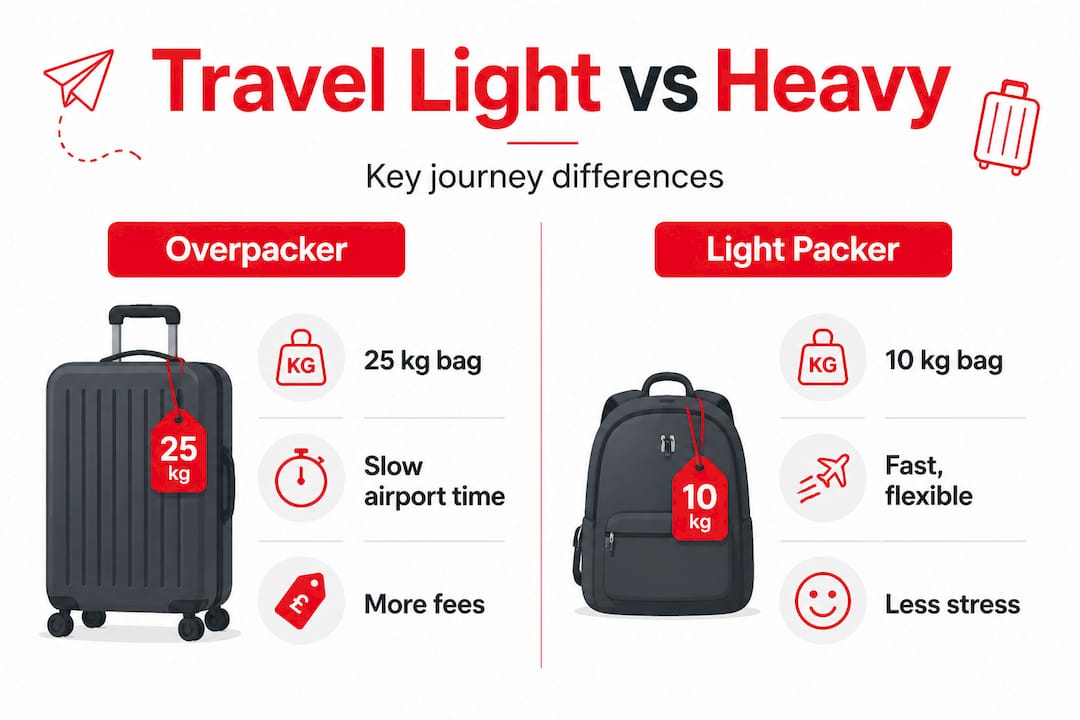
The numbers tell a clear story. A lighter traveller moves more freely, spends less on fees, and arrives at each destination with more energy to enjoy it. This is not a lifestyle choice for a select few. It is a practical upgrade available to anyone who is honest about what they actually use. Thinking about maximising comfort when travelling light is not a contradiction. Modern packing solutions make it entirely achievable.
Pro Tip: A large scarf or lightweight wrap can serve as a blanket on cold flights, a pillow cover, a sun shield, a beach layer, and even a makeshift bag. One item, at least five uses. That is the multi-purpose mindset.
Practical tips and quick wins for lighter travel
Theory helps, but action is what changes your packing. The good news is that most improvements are genuinely quick to implement, and the benefits show up immediately on your next trip.
Frameless packs perform best when total weight stays under 25 lbs (approximately 11 kg). This is a useful ceiling to work towards. If you know your bag needs to stay under that threshold, every item becomes a deliberate choice rather than a reflex addition.
Here are five quick-reduce steps you can apply before your next journey:
- Switch physical books for an e-reader. An e-reader weighing 200 grams can carry hundreds of titles. No contest.
- Use travel-sized toiletries or solid alternatives. Solid shampoo, conditioner bars, and multi-use balms save significant weight and sail through security.
- Layer your clothing rather than packing for every temperature separately. A base layer, a mid layer, and a lightweight shell covers most climates.
- Roll instead of folding. Rolling clothes compresses them further, reduces creases, and lets you see everything at a glance.
- Stick to a pre-written packing list and resist adding anything that is not already on it.
Beyond clothing, hygiene and personal care items are where weight quietly accumulates. Switching to a single travel hygiene essentials kit with multipurpose items cuts both weight and the time you spend organising your wash bag. A small bottle of castile soap can work as body wash, shampoo, and hand soap. A microfibre towel weighs almost nothing and dries in minutes.
The “one in, one out” rule for clothing is also worth adopting. If you buy or acquire something during your trip, something else leaves. This keeps your bag from expanding during the journey itself, which is a problem many travellers only notice on the return journey when their bag suddenly weighs far more than when they departed.
For a thorough overview of everything worth bringing versus leaving behind, the ultimate travel gear checklist is a practical reference built around real-world travel needs rather than worst-case scenarios.
Why packing light is a skill you build, not a rule you follow
Here is something most packing guides will not tell you: no list, however well-researched, will make you a light packer. The gear comparison articles, the capsule wardrobe charts, the strict weight limits. None of these actually change what ends up in your bag. What changes it is experience, honest reflection, and the willingness to ask yourself a slightly uncomfortable question after each trip: what did I actually use?
The real growth in packing ability comes from returning home and going through your bag before you unpack. Most travellers who do this for the first time are genuinely surprised. An entire outfit never worn. A “just in case” kit that never opened. A book unread. These are the things that teach you more than any checklist.
The trap with most packing advice is that it is prescriptive. “Take exactly these items.” “Use this specific bag.” “Follow this formula.” But travel is personal. A weekend city break needs different thinking from a three-week overland journey. A solo trip is different from one with children. The skill lies in adapting, not in following instructions precisely.
What genuinely helps is developing a reflective habit around every trip. Note what you reached for constantly. Note what stayed at the bottom. Then adjust. Over time, your packing list becomes a living document shaped by your actual travel style, not someone else’s template. Thinking about optimising travel routines is part of this broader self-awareness. Packing is one input in a system, and the best travellers refine all of it together.
The most significant improvements rarely come from buying different gear. They come from the moment a traveller is genuinely honest about their habits and decides to change them. That is a shift no packing cube or compression bag can make for you.
Upgrade your travel gear for lighter, safer journeys
Packing smarter also means choosing gear that pulls double duty without adding unnecessary weight to your load. Modern travel essentials have come a long way, and investing in the right pieces means carrying less while staying better protected.
At Convoy, we believe lighter travel and better safety are not in conflict. Whether you are on two wheels, navigating a job site, or heading into open country, our lightweight safety helmet offers genuine protection without the bulk that used to come with it. Pair that with our ultra-light safety glasses, and you have eye and head protection that fits neatly into your bag rather than dominating it. Explore our full range of travel-ready gear designed around the needs of people who move with purpose and travel with confidence.
Frequently asked questions
What is the biggest mistake travellers make when packing?
The most common mistake is loading the bag with too many “just in case” items that never actually get used across the entire trip.
Is packing light only important for older travellers?
Packing light benefits all ages, but older hikers gain particularly from reduced pack weight due to the direct impact on joint health and long-term mobility.
How much should my travel bag weigh for comfort?
Frameless packs work best under 25 lbs total, so treating this as your ceiling is a practical target for most journeys.
How do I keep clothing minimal for long trips?
Pack for one week and plan laundry into your itinerary rather than trying to bring enough clothing to cover the full duration of your trip.
Does packing light mean sacrificing comfort?
Not at all. With multipurpose items, smart layering, and a well-chosen kit, you can be fully comfortable on any journey without carrying anything unnecessary.